
Recognize the 5 Warning Signs Your Electrical Panel is a Fire Hazard
Burning Smells or Scorch Marks Around the Panel
A burning odor near your electrical panel or visible scorch marks on the panel cover represent one of the most urgent warning signs that immediate action is required. When electrical wiring becomes overloaded or connections begin to fail, the resulting heat can char insulation, melt wire coatings, and ignite surrounding materials. This smell is often described as acrid or similar to burning plastic, and it should never be dismissed as a minor inconvenience.
In Vale and the surrounding high-desert communities of eastern Oregon, many properties feature older electrical systems that were installed decades ago when household power demands were significantly lower. Today’s homes and businesses run multiple high-draw appliances simultaneously, from air conditioning units during summer heat to irrigation pump controllers that manage agricultural water systems. When these modern loads pass through aging panels with deteriorating connections, the risk of overheating increases substantially.
Scorch marks typically appear as dark discoloration around breaker switches or along the edges of the panel door. These marks indicate that arcing or excessive heat has already occurred, meaning the panel has moved beyond a potential hazard into an active failure state. The presence of melted plastic components, discolored metal, or warped breaker switches confirms that temperatures inside the panel have reached dangerous levels.
If you detect any burning smell or observe scorching, turn off the main breaker if it is safe to do so and contact a residential electrician immediately. Continuing to operate a panel showing these symptoms creates an imminent fire risk that can escalate within hours. Professional electrical services include thermal imaging inspections that detect hot spots before they become visible, allowing intervention before damage occurs. Replacing faulty breakers, re-terminating loose connections, and upgrading inadequate panels prevents the progression from warning sign to catastrophic failure.
Breakers That Trip Frequently or Refuse to Reset
Circuit breakers are designed to trip when they detect overload conditions, protecting your electrical wiring from dangerous current levels. However, when breakers trip repeatedly under normal operating conditions or fail to reset properly, they signal underlying problems that create serious fire hazards. A breaker that will not stay in the reset position has likely suffered internal damage and can no longer perform its protective function.
Many residential and commercial properties in the Vale area experience this issue during specific seasonal patterns. Summer months bring increased air conditioning loads, while agricultural operations may cycle irrigation pumps throughout growing seasons. When existing electrical services were sized for smaller loads, these seasonal demands can push circuits beyond their rated capacity. The breaker trips to prevent overheating, but property owners sometimes respond by repeatedly resetting the breaker or, worse, upgrading to a higher-amperage breaker without upgrading the corresponding wire gauge.
This mismatch between breaker rating and wire capacity is extremely dangerous. The breaker may no longer trip when the wire reaches unsafe temperatures, allowing insulation to degrade and creating conditions for electrical fires inside walls where they remain undetected until substantial damage occurs. Additionally, older breakers can wear out mechanically. The internal contacts and trip mechanisms degrade over time, particularly in panels subjected to temperature extremes common in high-desert climates where attics and utility rooms experience significant temperature swings.
A qualified local electrician can perform load calculations to determine whether your existing panel and circuit configuration adequately serves your current needs. If circuits are genuinely overloaded, the solution involves redistributing loads, adding dedicated circuits, or upgrading the service panel. If breakers are failing mechanically, replacement with properly rated components restores protection. Ignoring frequent tripping invites either continued inconvenience or the temptation to implement dangerous workarounds that bypass critical safety systems.
Buzzing, Crackling, or Humming Sounds From the Panel
Electrical panels should operate silently. Any buzzing, crackling, humming, or sizzling sound coming from your panel indicates electrical arcing or loose connections that generate heat and pose fire risks. These sounds occur when electricity jumps across gaps in damaged connections or when components vibrate under load due to improper installation or deterioration.
Arcing produces intense localized heat, often exceeding temperatures sufficient to ignite nearby combustible materials. Inside an electrical panel, this can mean igniting the insulation on adjacent wires, melting plastic components, or starting fires in the wall cavity behind the panel. The intermittent nature of some arcing sounds, heard only when certain appliances operate or during peak usage times, does not make the problem less serious. It indicates that specific load conditions trigger the failure mode, and those conditions will recur.
In commercial electrician work throughout Ontario, Nyssa, and Vale, we have encountered numerous panels where poor initial installation or decades of thermal cycling have loosened terminal screws and bus bar connections. The agricultural and light industrial facilities common in this region often have substantial motor loads from pumps, conveyors, and HVAC systems. These inductive loads create additional stress on connections, accelerating loosening and increasing the likelihood of arcing faults.
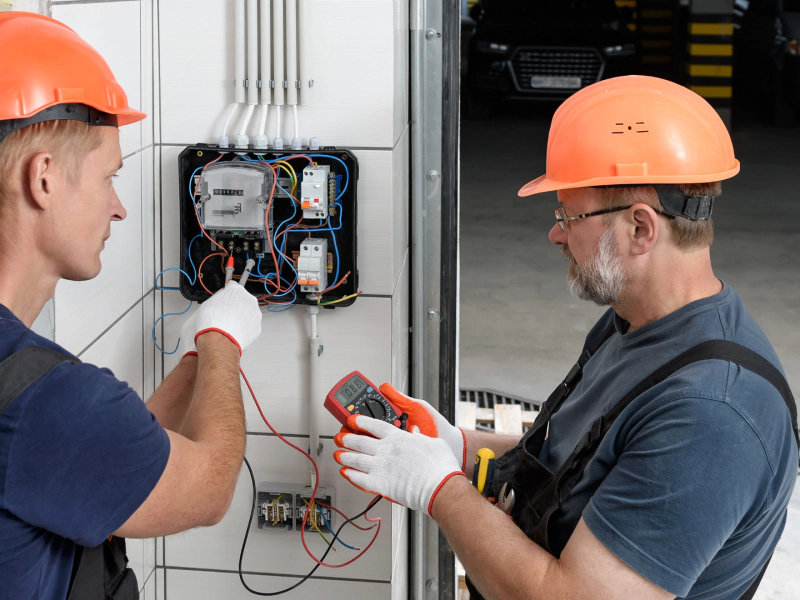
Homeowners sometimes mistake normal transformer hum from utility equipment outside for panel noise. The key distinction is location. If the sound clearly originates from inside your service panel and varies with your electrical usage, the problem lies within your system. A residential electrician can open the panel, inspect all connections, measure voltage drops across terminals, and tighten or replace components as needed. Thermal imaging often reveals hot spots corresponding to the noise sources, confirming which connections require attention. Addressing these issues promptly prevents the progression from audible warning to visible fire.
Corrosion, Rust, or Signs of Moisture Inside the Panel
Moisture and electricity create a dangerous combination. When water enters an electrical panel, it promotes corrosion that degrades connections, creates unintended current paths, and dramatically increases the risk of electrical fires. Corrosion appears as rust on metal components, white or green powdery deposits on copper or aluminum conductors, or discolored, brittle wire insulation.
The high-desert climate of eastern Oregon might seem an unlikely place for moisture problems, but several local factors create vulnerability. Older homes and agricultural buildings may have panels mounted in locations where irrigation overspray reaches the equipment, particularly near valve controls or pump stations. Spring runoff and occasional heavy precipitation events can expose inadequately sealed panels to water intrusion. Additionally, temperature differentials between cool evening temperatures and warm days can create condensation inside panels, particularly those mounted on exterior walls or in uninsulated utility rooms.
Once moisture enters a panel, the corrosion process begins immediately. Oxidation increases electrical resistance at connection points, causing those connections to generate heat under load. This heat accelerates further corrosion in a degenerative cycle. Corroded connections also create intermittent contact, leading to arcing. The combination of weakened insulation from moisture exposure and arcing from poor connections creates multiple ignition sources in close proximity.
Property owners should inspect panels periodically for any evidence of water staining, rust, or mineral deposits. If moisture intrusion is suspected, the first step involves identifying and eliminating the source, whether it is a roof leak, condensation, or external water exposure. An electrical contractor can then assess the extent of corrosion damage, determine which components require replacement, and implement proper weatherproofing measures. In some cases, relocating the panel to a drier location provides the only reliable long-term solution. Moisture-damaged panels cannot be safely left in service, as the corrosion continues to worsen even after the water source is addressed.
Panels with Outdated or Recalled Components
Certain electrical panels manufactured in past decades have been identified as fire hazards due to design defects, and many remain in service throughout older properties in Vale and surrounding areas. Federal Pacific Electric panels, Zinsco panels, and certain Challenger panels are among the most commonly identified problematic brands. These panels suffer from breakers that fail to trip during overload conditions, allowing dangerous current levels to persist until wiring overheats and ignites.
The core problem with these recalled or identified hazardous panels lies in their circuit protection mechanism. Testing has demonstrated failure rates significantly higher than acceptable safety standards, with some models showing breaker failure rates above thirty percent. This means that in a substantial portion of overload events, the breaker does not interrupt current flow, and the protection system fails completely. The wire then becomes the weakest link, and insulation failure follows.
Many properties in this region were built or received electrical upgrades during the decades when these problematic panels were commonly installed. Homeowners and business operators may be completely unaware that their panel carries known defects. Unlike appliances that display brand names prominently, panel identification requires opening the cover and examining labels inside, which most property owners never do.
Visual identification is straightforward once you know what to look for. Federal Pacific panels typically have a distinctive stab-lok breaker design. Zinsco panels often feature a colorful breaker arrangement, and the brand name appears on the interior label. If your property contains one of these panels, replacement should be considered a priority rather than an eventual upgrade. The failure mode is unpredictable, and the panel may function normally for years before a critical failure occurs during an actual overload event, precisely when protection is most needed.
Professional electrical services include panel identification and assessment as part of routine safety inspections. Upgrading to a modern panel with current safety certifications provides reliable overcurrent protection and often includes additional capacity for future electrical needs. For properties where panel replacement seems costly, consider that the expense is modest compared to fire damage, injury, or loss of property. A local electrician familiar with regional construction practices and common installation issues can complete panel replacement efficiently, often within a single day for residential applications, minimizing disruption while eliminating a serious hazard. Taking action before a failure occurs is always preferable to responding after damage has been done.

